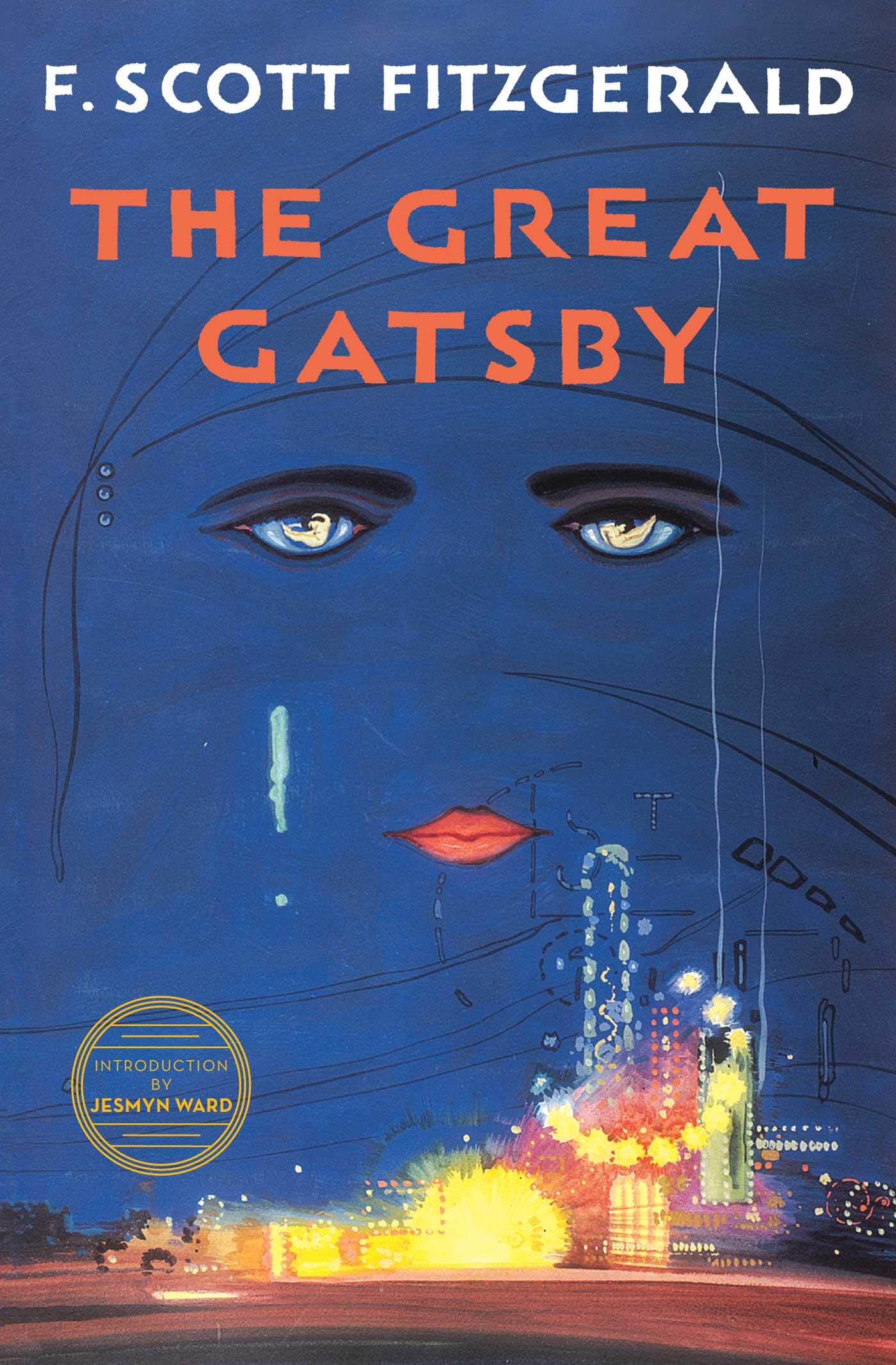
The Great Gatsby is a novel, which if someone said to you was written today, you'd believe it. The story, its cultural implications and presentation gives the novel a timeless element to it. It is widely considered to be one of the greatest novels written. It is one of the best American novels that I have read and has a unique place in the crème de la crème classics in my heart.
I am not quite sure if F Scott Fitzgerald could be compared with other Classical novel writers like Dostoevsky, Hugo etc. , because they lived decades before Fitzgerald. But still he could compete with them in terms of prose quality and flow of words, since that is what makes his Novel special, at least in my opinion, more than the story.
But the story itself is an exceptional piece of imagination and the story telling even more impressive. The title character doesn't appear until Chapter 3 or something. But he is set up and mentioned from the first pages of the novel itself, adding suspense and excitement for his entry to the scene and when he enters he is given an incredible and outlandish introduction.
What are the key values and implications the book presents to us?(This section may have spoilers so click away)
Before reading the book when I searched the web I found many people talking about the themes of the book and the sentence that struck me was explaining how the book was about the American Dream which is unattainable. Now when I saw that I thought, this book must be against Capitalism or something. So mind you, if you read the book with some thing of that sort in your mind you're going to be disappointed.
Not everything you dream or strive for is attainable. Money is not a guarantee of happiness. And complete devotion and commitment to a wrong intention does not make it right. These are some of the key implications I concurred from the book. This is derived from the circumstances related to the manner of Gatsby's death and whole air of futility which surrounds Gatsby's journey, when we look at it with the benefit of hindsight. Would things have been better for him if he just opened his eyes and looked at him in the mirror. Because as far as we can tell Daisy doesn't reciprocate his feelings. And I think Gatsby knew this too. That is, at least in part, the reason why he didn't go straight to Daisy's house. He knew that he was unworthy in front of Daisy's eyes without the recent wealth he had gained. That's why he tried to lure Daisy into his aura of wealth and lavishness by throwing all kinds of senseless parties in his house, hoping that one day she would stumble across his lawn and would marvel at the whole prodigality of the affair. And would eventually elope with him, I suspect. Part of the problem chasing after an unattainable dream is that even when you get to achieve it you would always feel afraid and even unworthy and that is IF you achieve it. For Gatsby he didn't get to realise his one. Even when he was living the American Dream he never found how to enjoy it or be contented with it. The moments he were truly happy were when he was looking at the "green light". The green light of hope. Hope of a better tomorrow. A tomorrow where he could live with his "perfect Daisy" forever happily ever after.
I talked about Gatsby and his love life a lot here. But the book is not only about that. It has a diverse array of characters who are so realistic and timeless that it wouldn't be surprising if you spotted a couple of them in your own life.
The fun fact about the novel is that the protagonist of the novel is not Gatsby, but it is Nick; who is a cousin of Daisy from western America. It is through Nick's eyes that we see Gatsby and other characters. Nick came to the East in pursuit of wealth and fulfilment and when he goes back he questions the rarely questioned human nature of following their dreams to such an extent that even when its seems impossible they keep paddling. One more round, one more struggle and then one day we will.....
Comments
Post a Comment