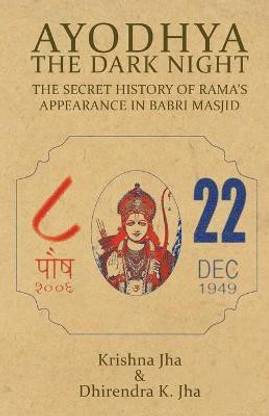
🚀 The Book in 3 Sentences
- It is a complete account of events that unfolded on the fateful night in Ayodhya, when the idol of Ram Lalla was planted inside the Babri Masjid which sparked the beginning of events that led to the demolition of the Masjid
- It is also a history of how communalism spread in India after it’s independence from British rule; What were the reasons for it? Who were the key instigators.
- It offers a historical perspective into the early independent years of India what were the major events that were unfolding and how were different key players responding to it
🎨 Impressions
The book weaves a narrative around the installation of the idol of Ram Lalla at Babri Masjid, the players and forces involved in this dangerous game, and the historical relevance of these events and people. The motives of the instigators who range from high level politicians and leaders, to swamis, to beurocrats have all been discussed here quite well. The book has tried to be unbiased but the arguments from the right-wing have totally been avoided, which makes this book lean slightly to the left. This is always a trouble when writing about a historical event which reeks of communalism and polarisation. Writers always feel the need to take the side of minority or the victims afraid otherwise they might be branded as apologists for the instigators. But I would say that the writers have to bold enough to take the risk of writing the point of view of the so called communalists. Otherwise the whole account is incomplete. I agree that it is necessary to critique the Hindu revivalist and communalistic views endorsed by the instigators, but that cant be done without explaining the world view they come from. A world view where they see themselves as a nation and people beaten and bruised by repeated incursions from the north-west, who destroyed/converted their places of worship, destroyed their culture and stole their land and wealth. This is a dangerous line to walk but that is exactly why we need skilled writers.
How I Discovered It
I discovered it browsing through audible. I listened to a part of it on audible itself. Then I switched to digital ebook.
Who Should Read It?
Anybody who want a detailed account of everything that happened in India in relation with the Babri Masjid incident oof 1949.
☘️ How the Book Changed Me
<aside> 💡 How my life / behaviour / thoughts / ideas have changed as a result of reading the book.
</aside>
- I have deeper understanding events unfolded during December 1949 in relation with the Babri Masjid
- I know the key players involved the incident their motivations etc.
- Exposed me more to the side of congress which had a greater leaning towards Hindu communalism and how Patel intentionally or not encouraged them
✍️ My Top 3 Quotes
- The Somnath Temple episode did not merely strengthen the Hindu traditionalists in the Congress, It also emboldened the militant Hindu communalists, creating for the Hindu Mahasabha an inspirational backdrop, especially when it started looking for ways to overcome the stigma of the assassination of Mahatma Gandhi.
- The symbolism of Ayodhya would then have generated a chain reaction, emboldening the Hindu fundamentalists all over the country and completely de-Congressizing the national political agenda
- Indeed, this was the period when two Congresses — one of Hindu conservatives, if not outright communalists, and the other of progressives and secularists - were jostling for control over the party. It sometimes seemed that the two lived not only in different mental worlds but almost in different time zones. Ayodhya was in the grip of Hindu conservatives
Comments
Post a Comment