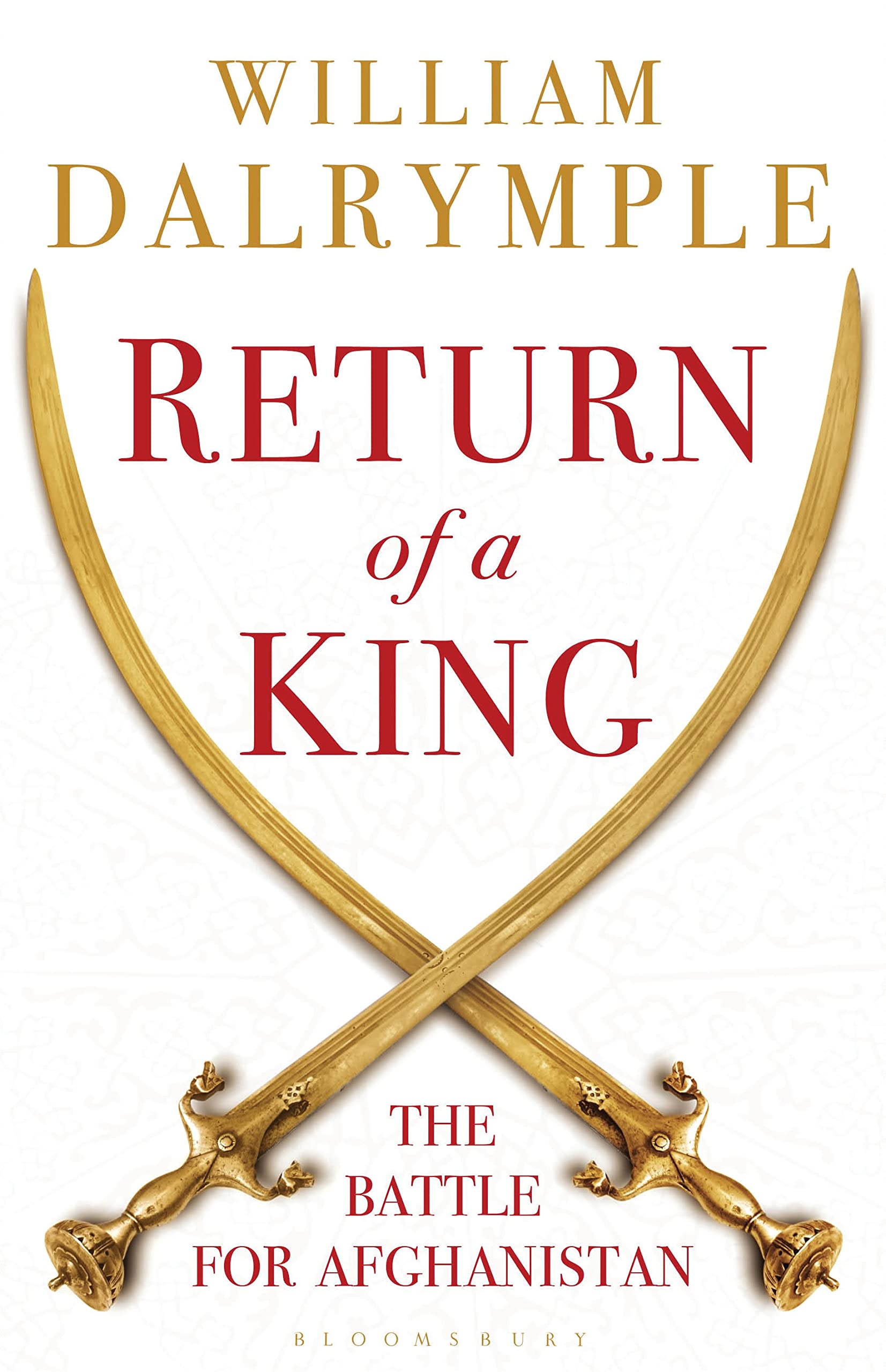
🚀 The Book in 3 Sentences
- A chronicle of the first Anglo-afghan war detailing the events that led to the war, key players involved, it’s effects and aftermath, why the people took the decisions they took
- It gives insight into the history and culture of Afghanistan a country known as the graveyard of the empires
- Insight into the happenings of the Indian Subcontinent during the 18th and 19th century
🎨 Impressions
The book is complete in and off itself on the account of the First Anglo afghan war. It tried it’s best to present the viewpoints of all the parties involved and how both sides view the initial, intermediate and final events of the war. It has tried to be balanced as possible and where its couldn’t it has presented the reader with all the conflicting viewpoints in it’s raw essence. The book was well researched and the author has visited the place before writing the book.
The author has tried his best to showcase how the inefficiency of some high ranking British officials led to this unnecessary war. How high ranking officers in their pettiness allowed misguided information and biased judgement to get to them and lead the empire down this road of destruction and wastefulness. How the cowardice, lapse of judgement, incompetence and inadequacies of some key players in the war led to the slaughter of a superior troop by the hands of a disorganized yet passionate group of soldiers from Afghan. Even though the Empire somehow survived the war, the mistakes made during this this key event in history will cost them very much in the future in unforeseeable ways. Especially leaving the Indian battalion to starvation death and beggary trying to preserve men of their own race and their possessions sometimes even pets.
Authors writing style with his flowing stream of words made this a really smooth read when we consider the length of the book.
How I Discovered It
I discovered it as a recommendation from goodreads. Dalrymple is also a popular historian.
Who Should Read It?
Everyone who loves reading history, war, empires, medieval Indian Subcontinent etc. Not suitable for those who feel uncomfortable with violence and war crimes.
☘️ How the Book Changed Me
<aside> 💡 How my life / behaviour / thoughts / ideas have changed as a result of reading the book.
</aside>
- Helped to develop a better understanding of the first anglo-afghan war.
- Made me appreciate efficiency and agility more, and saw how inefficiency takes the life of not only you but also everyone around you
- It gave an Afghan perspective of the events, got me introduced to great kings and warriors, like Ranjith Singh and Fighting Bob Sale etc
✍️ My Top 3 Quotes
- “To subdue and crush the masses of a nation by military force, when all are unanimous in the determination to be free, is to attempt the imprisonment of a whole people; all such projects must be temporary and transient, and terminate in a catastrophe...”
- “success in battle in Afghanistan was rarely decided by straightforward military victory so much as by successfully negotiating a path through the shifting patterns of tribal allegiances.”
- “Few, few shall part where many meet, The snow shall be their winding sheet; And every turf beneath their feet Shall be a soldier’s sepulchre.” ― William Dalrymple, Return of a King: The Battle for Afghanistan
Comments
Post a Comment